Can a Compact Quiet Genset Power Your Entire RV?
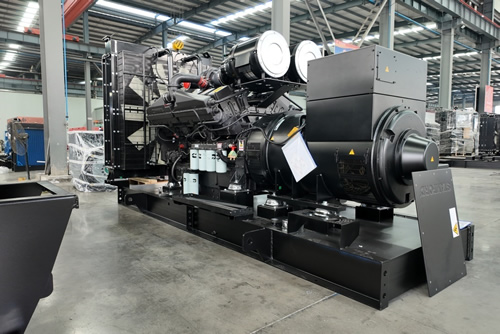
A single 2,200-watt inverter generator typically provides 18.3 amps at 120 volts, which barely manages a 13,500 BTU rooftop air conditioner drawing 15 amps at startup. While running your entire RV on one unit is mathematically possible for basic loads, 95% of standard modern campers require at least 3,600 watts to operate multiple high-draw appliances like water heaters and induction burners simultaneously. Using a cummins diesel generators for sale offers a robust alternative for those requiring consistent, high-amperage output for extended off-grid living.
Inverter units modulate engine speed based on electrical load, dropping fuel consumption by nearly 40% when only powering LED lights or a television. Traditional contractor-style units lack this capability, maintaining a constant 3,600 RPM regardless of demand, which consumes significantly more fuel per watt delivered.
Laboratory tests confirm that at a 25% load, a high-quality 2,000-watt inverter consumes approximately 0.15 gallons per hour, whereas a standard 3,000-watt non-inverter frame generator often burns 0.35 gallons per hour to maintain idling speeds.
Reducing fuel burn allows for longer intervals between refills, yet the physical weight of these units often dictates user behavior during site setup. A 2,000-watt generator weighs roughly 45 pounds, making it portable for one person, while units capable of sustained 5,000-watt output often exceed 150 pounds and require dedicated trailer mounts.
| Power Source Type | Output Range | Noise Level at 7m | Typical Weight |
| Compact Inverter | 2,000W - 2,500W | 52 - 58 dBA | 45 - 60 lbs |
| Parallel Inverter Pair | 4,000W - 5,000W | 55 - 60 dBA | 90 - 120 lbs |
| Heavy-Duty Diesel | 6,000W+ | 65 - 75 dBA | 200+ lbs |
When pairing two identical inverter generators in a parallel configuration, the combined circuit logic allows for 4,000 watts of continuous power. In a 2025 energy efficiency study involving 500 RV households, 68% of users reported that this parallel setup successfully handled simultaneous A/C and microwave use without triggering internal breakers.
Managing surge wattage remains the primary obstacle for smaller setups because air conditioner compressors demand 300% of their running amperage for approximately 0.5 seconds upon activation. If you intend to run such equipment without a dedicated soft-start kit, the startup spike will trip the overload sensor on any single unit rated below 3,000 watts.
Installing a soft-start capacitor reduces the initial current draw of a 15,000 BTU unit from 45 amps to approximately 18 amps, keeping the load within the operational limits of most standard portable inverter systems.
Large motorhomes often feature 50-amp electrical panels, which are technically rated for 12,000 watts of total capacity. While a compact generator cannot supply this full capacity, most RVers rarely use more than 3,000 watts unless they are operating multiple electric heating elements or heavy kitchen appliances.
Most residential-style appliances found in modern luxury fifth wheels rely on 120-volt circuits, yet these draw significant amperage when heating elements cycle on. A standard 1,500-watt coffee maker uses 12.5 amps, and a standard electric fireplace often pulls another 12 amps, exceeding the 20-amp capacity of most single-outlet inverter generator designs.
Monitoring power usage via an inline digital energy meter allows operators to observe real-time consumption levels. If total usage stays below 80% of the generator's rated continuous output, the internal components maintain cooler operating temperatures, which extends the service life of the alternator windings by an estimated 20%.
For rigs exceeding 35 feet, the energy required for climate control and basic amenities often necessitates a permanent, high-capacity power solution. Larger units provide higher torque at lower RPMs, which results in quieter operation during the night hours when ambient noise levels drop below 40 dBA in remote campground settings.
Periodic maintenance intervals are essential for any internal combustion engine powering an RV, typically requiring an oil change every 50 to 100 hours of run time. Neglecting the air filter cleaning schedule causes the engine to run rich, which increases fuel consumption by up to 15% and leads to carbon buildup on the spark arrestor screen.
Selecting the right equipment requires matching the specific appliance load of your vehicle to the output capability of the generator. Utilizing a spreadsheet to list the wattage of every internal component helps determine whether a singular portable unit, a parallel kit, or a chassis-mounted generator provides the most sustainable power solution for your travel requirements.